Selection guide
Choose protection by job, not appearance
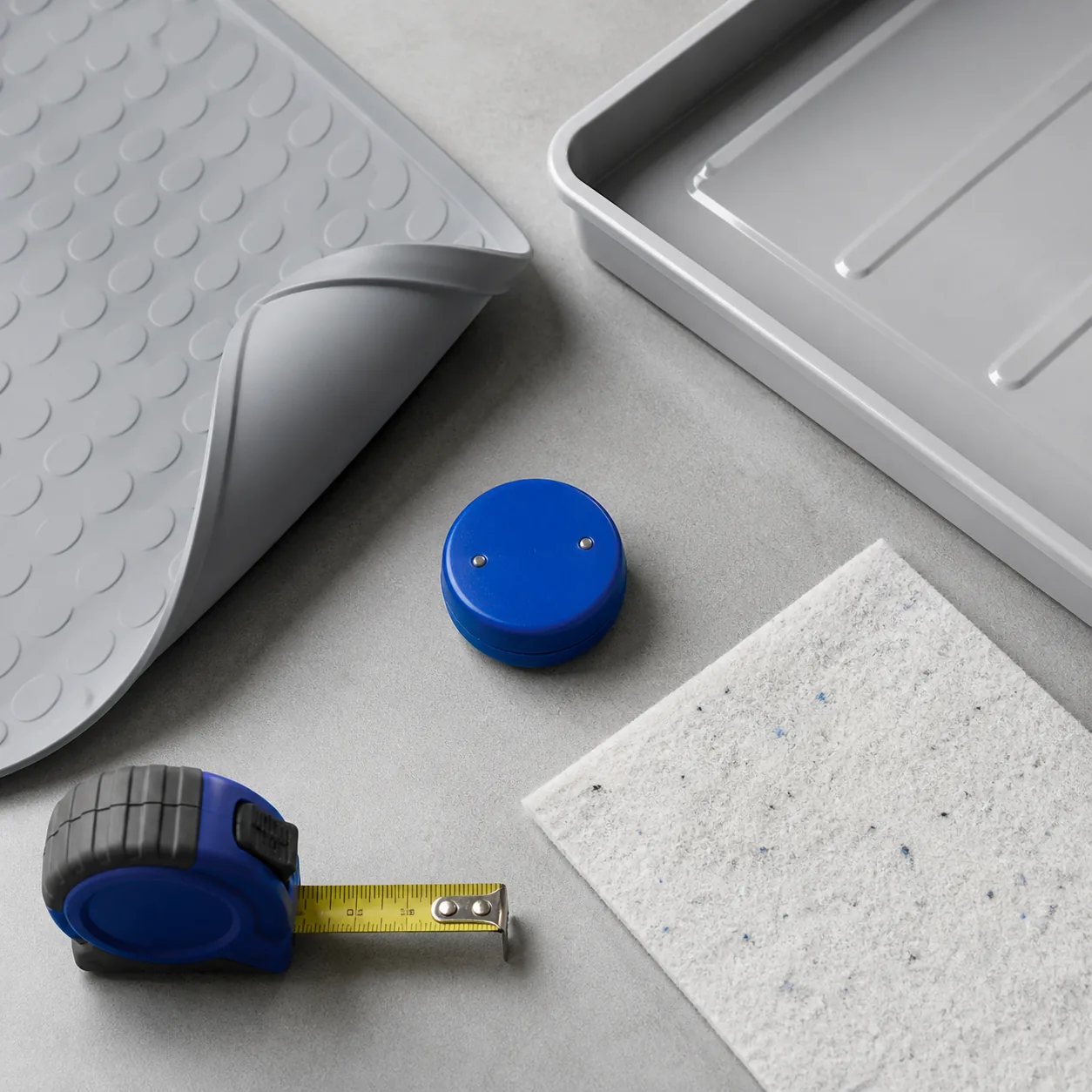
Compare flexible mats, rigid trays, liners, and leak sensors by fit and function.
Read the guideClear guides for choosing, sizing, and maintaining under-sink protection in real homes.

A useful setup begins with the shape, plumbing, and risks already inside your cabinet.

Begin with the decision in front of you.
Compare flexible mats, rigid trays, liners, and leak sensors by fit and function.
Read the guideAccount for the front lip, center stile, pipes, and removal path.
Measure correctly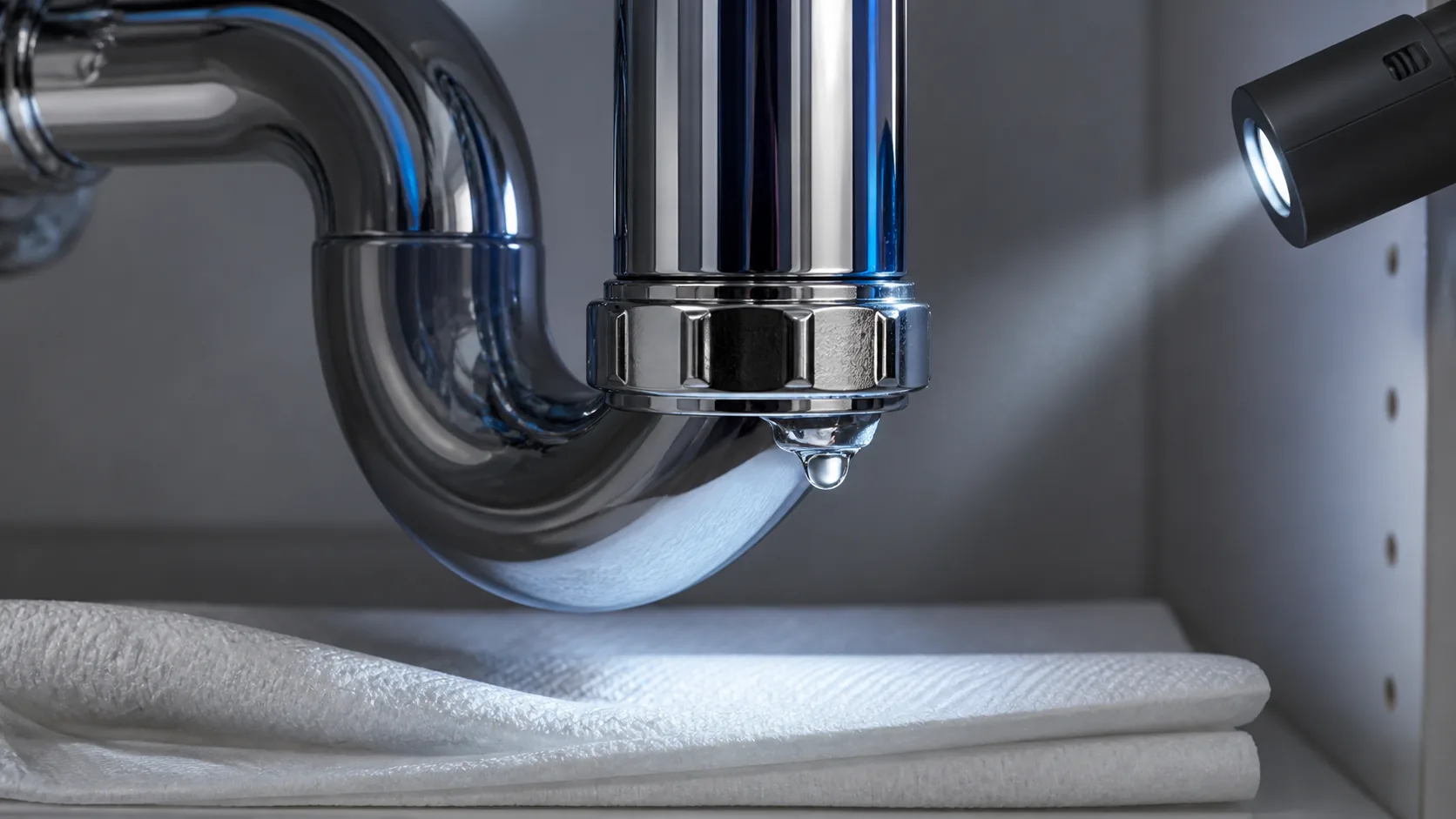
A raised edge can hold a small spill. A sensor can alert you. A liner may hide moisture. Choose each layer for one clear job.
Compare materialsRoutine observation and product selection belong here. Plumbing repairs, electrical risks, mold, and code questions belong with qualified local professionals.